


All-Laser Lasek
Samsung Miracle All-Laser LASEK aka PRKSuperior Safety and Outcomes with All-Laser LASEK Surgery
All-Laser LASEK is an advanced evolution of the surface ablation procedure (PRK).
It is a vision correction surgery that corrects vision by delicately peeling back
the corneal epithelium (outermost layer) without creating a permanent corneal flap.
The underlying cornea is then precisely reshaped with an excimer laser.
This technique is particularly valuable for the corneal epithelium correction of
ultra-high myopia and astigmatism and is often the safest choice for patients
not suitable for LASIK or SMILE.
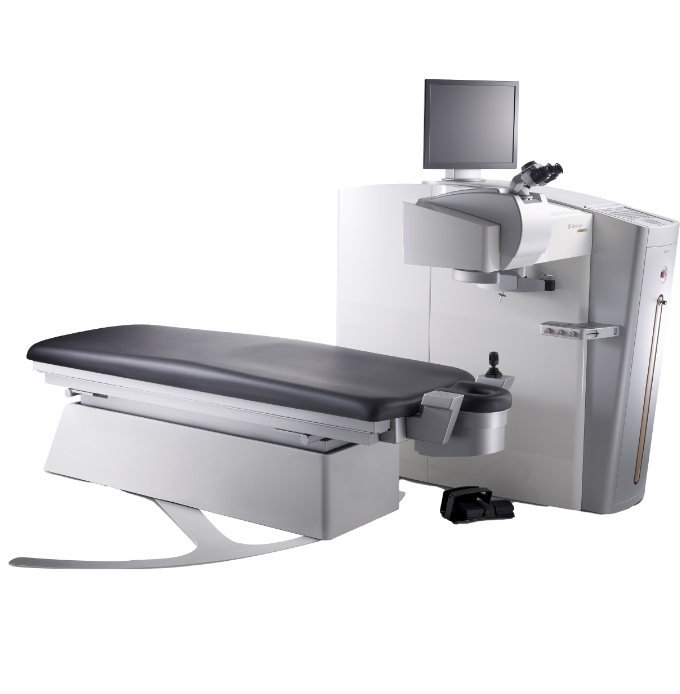
MIRACLE All-Laser LASEK:
Key Advantages
Miracle All-Laser LASEK is a surgical method that corrects vision
by cutting the corneal parenchyma (the main body of the cornea) without
affecting the central visual axis.

-
Benefit 01
Resistant to External Shocks
-
Benefit 02
Prevention of Corneal Opacity and Complications
-
Benefit 03
Low Incidence of Bleeding and Other Complications
-
Benefit 04
Low Incidence of Pain and Side Effects
-
Benefit 05
Higher Quality of Vision
All-Laser LASEK is the Necessary Choice
for These Candidates
All-Laser LASEK is recommended for patients whose eye anatomy or lifestyle makes other procedures less safe:
-

A person who has a thin cornea and cannot have LASIK
-
Anyone with dry eyes
-
A person who enjoys small eyes and difficulty installing corneal cutters
-
High-intensity external activities frequently
Vision Correction:
Side-by-Side Comparison
Compare the advantages and disadvantages of laser vision correction procedures.
| Category | Miracle All-Laser LASEK | Standard LASEK |
|---|---|---|
| image | 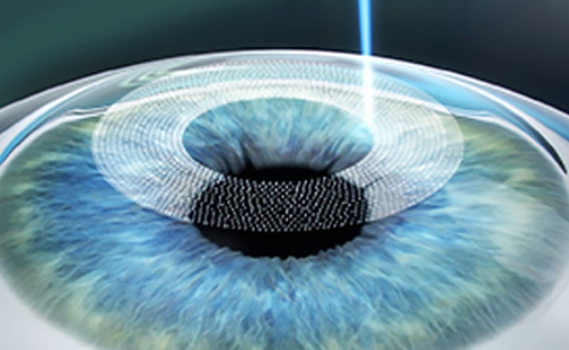 |
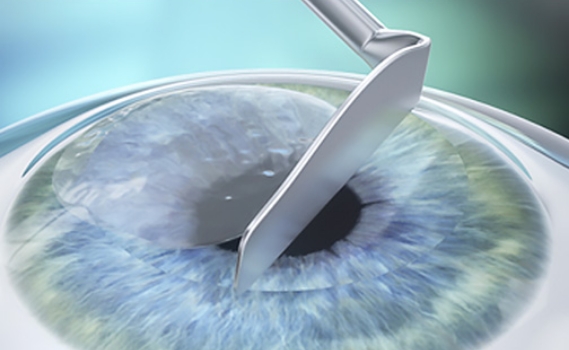 |
| Method | Precision ablation with femtosecond laser (Blade-Free) | Uses a Mechanical Microkeratome Blade |
| Corneal Section Thickness |
100~120μm | 100~120μm |
| Uniformity | Very Uniformity | Not uniform |
| Corneal Section size |
You Can Control It to the Individual Patient’s Eyes | Specified corneal intercept thickness, diameter |
| Complications | Very Little (Minimizing Surface-related Risks) | Dryness, Night Glare (Higher Incidence of Surface Complications) |